Zoho CRM Blueprint: How to Build Process-Driven Sales Flows
How a Blueprint Works
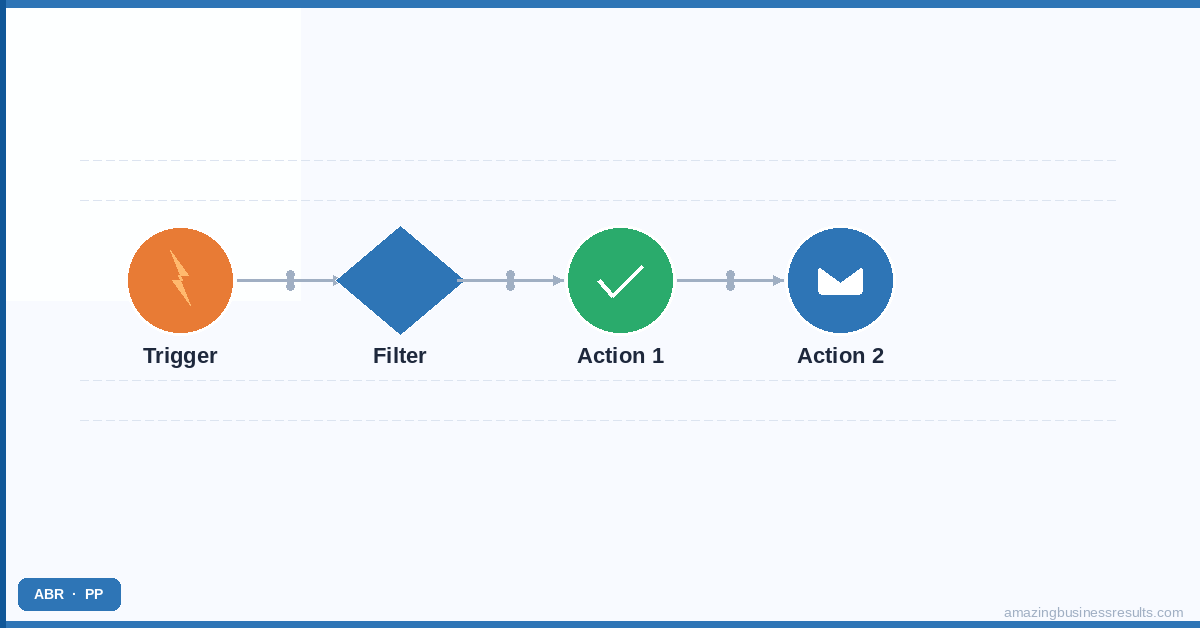
A blueprint is attached to a specific field in a module — most commonly the Stage field on Deals. Each value in that field becomes a state in the blueprint. Between each pair of states is a transition — the path from one stage to the next.
Each transition has three types of configuration:
- Before the transition — what must be true before the transition is available. The deal must have a close date set. The contact must have a direct phone number. The deal value must be above a threshold. If the conditions are not met, the transition button does not appear.
- During the transition — what the user must do as part of advancing the record. Fill in a required field. Log a specific activity. Write a note explaining the decision. The transition cannot complete until these mandatory steps are done.
- After the transition — what happens automatically once the record advances. Send a confirmation email to the prospect. Update a field. Create a follow-up task. Notify a manager. These are the same types of actions available in workflow rules, but triggered specifically by the stage change.
Building a Blueprint in Zoho CRM: Step by Step
- Identify the process you want to enforce. Write out your sales stages on paper first: every stage, every required action at each stage, every condition that must be true before a deal can advance. The blueprint configuration follows directly from this process map. Trying to design the process inside the builder without a map first leads to incomplete blueprints that miss critical transitions.
- Open the Blueprint builder. In Zoho CRM, go to Setup → Process Management → Blueprint. Click “Create Blueprint”. Select the module (usually Deals) and the field that drives the blueprint (usually Stage or Deal Stage).
- Map your states. Each stage in your sales process is a state in the blueprint. The builder shows a visual canvas with your states as nodes. Connect the states with transitions by drawing lines between them. A deal in Qualified can move to Proposal Sent or to Lost — those are two different transitions from the same state.
- Configure each transition. Click a transition line to configure it. Set the Before conditions (what must be true before the button appears), the During requirements (what the user must complete to advance) and the After actions (what fires automatically when the transition is saved).
- Set transition owners. Each transition can be restricted to specific profiles or roles. The Closed Won transition might only be available to Sales Managers. The Proposal Sent transition might be available to all sales reps. Transition ownership is how blueprints enforce approval hierarchies without building a separate approval process.
- Activate and test. Save and activate the blueprint. Create a test deal and walk through every transition manually to confirm the conditions, requirements and actions fire correctly. Test with a user account that has a standard sales rep profile — not an admin account — because admins can bypass some blueprint requirements.
Blueprint Examples: Real Use Cases
B2B Sales Process Blueprint
A professional services firm uses a seven-stage blueprint on their Deals module: Lead Qualified, Discovery Call Booked, Discovery Call Completed, Proposal Sent, Proposal Reviewed, Negotiation, Closed Won/Lost. Each transition requires a logged call note or meeting record. The Proposal Sent transition requires a proposal document to be attached to the deal. The Closed Won transition requires the deal value and signed contract date to be populated. Without the blueprint, deals appeared in Closed Won with missing contract data and no logged calls.
Onboarding Process Blueprint
A SaaS company attaches a blueprint to a custom Onboarding module. States represent onboarding milestones: Contract Signed, Access Provisioned, Kickoff Call Scheduled, Kickoff Call Completed, Initial Setup Complete, Training Delivered, Live. Each transition requires specific completion tasks. The blueprint ensures no customer reaches Live status without every preceding milestone being signed off.
Service Delivery Blueprint
A marketing agency uses a blueprint on their Projects module with states that match their delivery workflow: Briefed, Research, Draft, Internal Review, Client Review, Revision, Approved, Live. Each state has specific field requirements — word count, asset list, review deadline — that must be completed before the project advances. Managers have a clear view of where every project sits and what is blocking its progress.
Blueprint vs Workflow Rule: The Key Distinction
Workflow rules fire automatically when conditions are met. Blueprints require a user to actively advance the record. That distinction determines which tool to use:
- Use a workflow rule when you want something to happen automatically — send an email, update a field, create a task — as a consequence of a record change.
- Use a blueprint when you want to control how a record reaches a certain state — when the process matters, when steps can’t be skipped and when accountability is required at each stage.
For a decision table covering more scenarios, see the Zoho CRM workflow vs blueprint guide.
Which Plans Include Blueprint
Blueprint is available on Zoho CRM’s Professional, Enterprise and Ultimate plans. It is one of the most valuable features in the Professional plan — the combination of blueprints, cadences and advanced workflows available at that tier is where Zoho CRM begins to deliver meaningful process automation for growing sales teams. See the Zoho CRM pricing guide for the full plan comparison.
For hands-on blueprint design and implementation, the ABR Zoho consulting team can map your sales process and build the blueprint configuration as part of a CRM implementation or automation engagement.
Frequently Asked Questions
What is the difference between Blueprint and workflow rules?
Which Zoho CRM plan includes Blueprint?
Can Blueprint enforce compliance steps like KYC or conflict checks?
Can ABR configure Blueprint for our sales process?